


101 Reinforcement Ideas for Students with Autism
A reinforcer is anything that follows a behavior and makes that behavior more likely to happen again. For kids with autism, the most useful reinforcers are often specific to the child: one student will work hard for a minute on a trampoline, while another would much rather have a turn with a sensory bottle or a favorite song. Below are 101 reinforcer ideas sorted into six types (activity, sensory, food, toy, attention and electronic), plus some notes on finding the right one and using it well.
This list comes from our collective clinical experience and is by no means exhaustive. Your student may prefer one category, or a mix across the day. Experimenting is part of the process, and it is usually the child who tells you what works!
What makes something a reinforcer?
Whether something is a reinforcer depends on what it does, not what it is. A sticker is only a reinforcer if a child is more likely to repeat a behavior when it follows. That is why the same item can work brilliantly for one child and do nothing for another.
It can help to know the main types you will hear about in ABA:
- Primary reinforcers are rewarding without any prior learning, such as food and drink.
- Conditioned (secondary) reinforcers become rewarding through their association with other rewards, such as praise, tokens or points.
- Tangible reinforcers are physical items a child can hold or keep, such as a toy, a sticker or a small snack.
- Activity reinforcers give a child time doing something they enjoy, such as jumping on a trampoline or going to the playground.
- Sensory reinforcers give a child a sensory experience they seek out, such as squeezing putty, bouncing on a ball or running hands through dry rice.
- Social reinforcers come from another person, such as praise, high fives or a silly song together.
Most children respond to a mix. A plan that leans only on edibles or screens can be harder to fade later, so many teams aim to pair those with social reinforcement from the start.
How to find the right reinforcer
Many students who seem unmotivated are simply waiting for the right reward. Watching what a child chooses during free time, asking parents and siblings, and offering a few options side by side are all good starting points. If those informal steps do not turn up much, a formal preference assessment can rank items in order of how much a child wants them. Our guide on how to find reinforcers for students walks through both approaches.
It also helps to remember that preferences change, sometimes daily. Checking in with a quick choice before a work session ("Do you want to work for bubbles or the iPad?") can keep motivation high.
15 activity reinforcement ideas
Activity reinforcers are great to build into a classroom or home routine whenever possible. They give a child access to a preferred activity for a set length of time, such as three or five minutes. The main downside is that many activities are not portable and may mean leaving the learning area, so they tend to work best as a bigger reward at the end of a task or a block of work.
- Jumping on a trampoline
- Riding an elevator
- Coloring
- Working on a puzzle
- Kicking a ball into a soccer net
- Blowing bubbles
- Shredding paper
- Delivering something to another room
- Visiting a preferred room
- Climbing through a tunnel or ball pit
- A run down an empty hallway
- Playing basketball
- Going to the playground
- Dancing
- Looking out the window
20 sensory reinforcement ideas
Many children on the autism spectrum experience some sensory input more strongly or less strongly than their peers. That can make a fire drill or a crowded lunchroom hard, but it can also make sensory reinforcers especially motivating. Some of our students' favorite rewards come from this category, and they often have the bonus of helping a child feel calmer while also rewarding their hard work.
- Water beads (with close supervision for children who mouth objects)
- Bin of dry beans and rice
- Playing with shaving cream on a cookie sheet
- Silly Putty or Theraputty
- Slime
- Water play
- Marbles (with close supervision for children who mouth objects)
- Box of things that smell good (e.g., potpourri)
- Chew toys
- Weighted lap pad
- Bouncing on an exercise ball
- Going in a tent
- Body sock
- Teeter Popper toy
- Sensory bottles
- Kinetic sand
- Box with assorted dry pasta (macaroni, farfalle, rotini, etc.)
- Stretchy noodle bands
- Stress balls
- Sequin pillows
20 food reinforcement ideas
Food reinforcers are probably the most debated option on this list. Parents and teachers often ask us to avoid them, and with good reason: the snacks used are often sugary and given in large amounts. Even so, food can be an effective part of a motivation system. It is one of the few primary reinforcers, which means it does not need any prior learning to be rewarding. The key is small portions used sparingly. A child who gets a lot of one snack is likely to get full and lose interest, and it is always worth checking for allergies and dietary rules before offering any food. The list below mixes healthier options like fruit, vegetables and cheese with occasional treats, and some children will happily work for a blueberry or a slice of apple.
- Grapes (cut small for young children)
- M&Ms Minis (for easier portion control)
- Blueberries
- Pretzels
- Apple slices
- Small pieces of chips (e.g., Veggie Straws, Fritos)
- Strawberry pieces
- Mini marshmallows
- Baby carrots
- Crackers (e.g., Goldfish, Cheez-It)
- String cheese or cheese cubes
- Popcorn (for older children)
- Banana slices
- Cereal (e.g., Cheerios)
- Raisins
- Fruit snacks
- Cucumber slices or snap peas
- Pieces of cookies
- Freeze-dried fruit
- Nuts (where allergies allow)
21 toy reinforcement ideas
This list could run to hundreds of items, so we kept to the toys we have used most often as reinforcers in our work with children with autism. Toys are handy because they are usually portable and easy to give and take back when free time is over.
- Toy cars
- Ride-in cars (e.g., Little Tikes)
- Stuffed animals
- Pop-up toys
- Books that make sounds
- Busy boards
- Toy drum
- Toy piano
- Action figures
- Dolls
- Ball drop toys
- Magna-Tiles
- Blocks
- Play-Doh
- Magnetic drawing board
- Little People set
- Musical toys
- Gear toys
- Wooden train set
- LEGO
- Toy animals
15 attention reinforcement ideas
Positive attention can be a wonderful reinforcer, and over time many teams aim to move children toward attention and other natural rewards. The catch is that attention is a generalized conditioned reinforcer: it becomes rewarding through its association with other good things. So it may take a while before a student values your attention for its own sake, which is a big part of why pairing and rapport building matter so much. Physical forms of attention, such as tickles or hugs, are best kept for children who clearly enjoy them and where they fit your setting's guidelines.
- Praise ("Great job!", "You did it!")
- "Pick ups"
- Tickles
- High fives
- Hug
- Singing a nursery rhyme together
- Playing a game of chase
- Talking to or visiting a preferred adult or child
- Reading a story
- Making funny faces
- Telling a joke
- Talking about a preferred topic
- Watching a preferred video together
- Playing a game together
- Giving squeezes on the hand or arm
10 electronic reinforcement ideas
Like food, electronics can be very powerful reinforcers that are easy to overuse. In our consulting work we have often seen children spend long stretches on a device and then find it very hard to hand it back. Short, clearly timed turns can help, along with a visual timer and a warning before time is up. Keeping access limited also helps electronics stay special rather than everyday.
- Playing a game on a tablet
- Watching a video
- Listening to music
- Using camera filters to take silly photos or videos
- Doing a puzzle on the iPad
- Taking selfies
- Playing a video game on a console or handheld
- Researching a special interest online
- Printing out a preferred picture
- Coloring a picture on the computer or iPad
Tips for using reinforcers well
The right item is only half of it. How and when you deliver it often makes just as much difference. A few habits that tend to help:
- Deliver it right away. Reinforcement usually works best when it follows the behavior immediately, so the child connects the two.
- Keep it small. A bite of a snack, a short turn with a toy or one favorite song can be enough, and it keeps the reward from losing its appeal.
- Pair it with praise. Saying what the child did ("Nice job matching the cards!") as you hand over a reward helps your attention become rewarding too.
- Rotate. Offering a few different reinforcers through the day can stop any one of them from getting stale.
- Plan to fade. As a skill gets stronger, many teams gradually reinforce less often and lean more on natural rewards. Differential reinforcement is one structured way to shift which behaviors earn a reward.
Reinforcement is also one of the main tools in addressing challenging behavior. If you are trying to work out why a behavior keeps happening, our overview of the four functions of behavior is a good place to start.
Games that work as a reinforcer and a lesson
"Playing a game together" earns its place on the attention list because it gives a child your full attention and a fun activity at the same time. With the right game, it can also practice a skill. A few of ours that work well this way:
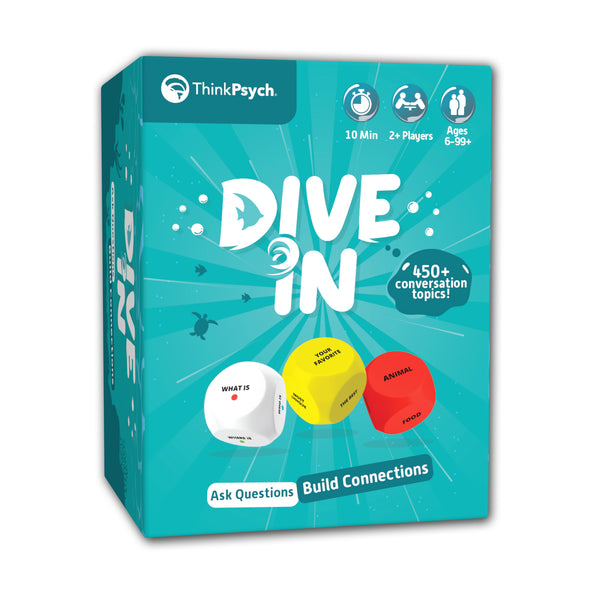
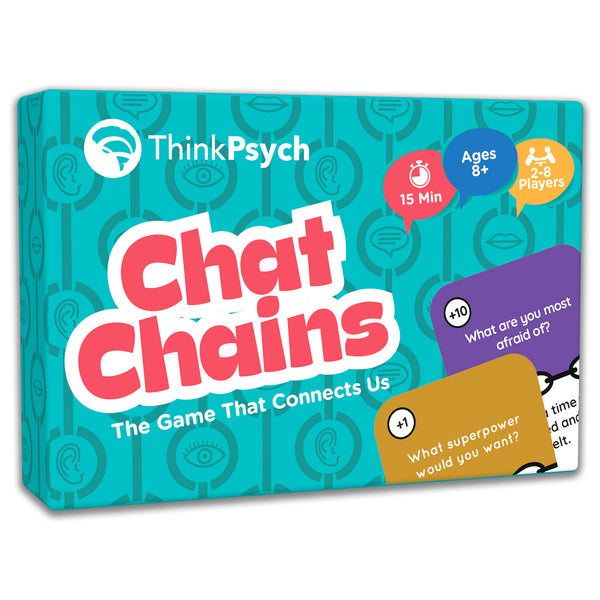
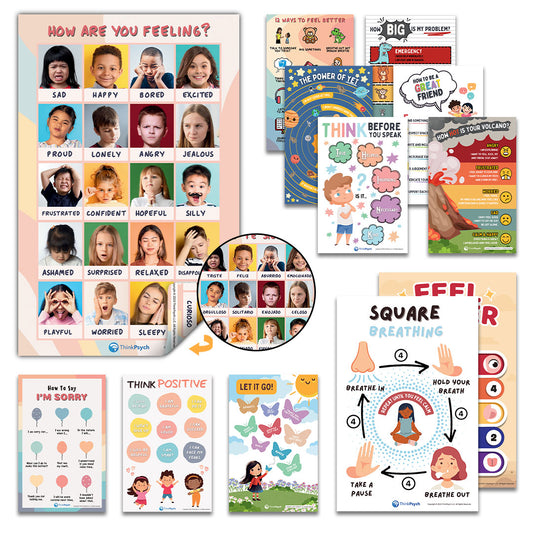
Find & Match: Feelings Safari is a matching game with 40 thick tiles showing expressive animals and kids. It teaches 10 emotions, needs no reading, and suits ages 3+ with rules for 1 to 4 players.
Go Fish: Faces & Feelings puts a twist on the classic: kids act out feelings to collect matching pairs. It can also be played as Memory Match, and it is designed for ages 6+ and 2 to 6 players.
Feelings Bingo has kids act out emotions to mark their cards, with no reading needed. It is for ages 5+ and 2 to 6 players, which makes it easy to use with a small group.
You can find more in our therapy games collection.
Frequently asked questions
What are good reinforcers for kids with autism?
Good reinforcers are the ones a particular child will work for, so they vary a lot. Common examples include short activity breaks, sensory toys like putty or kinetic sand, small snacks, favorite toys, praise and high fives, and short turns on a tablet.
What is a sensory reinforcer?
A sensory reinforcer is a reward that gives a child a sensory experience they enjoy, such as squeezing a stress ball, bouncing on an exercise ball, playing with water beads or running their hands through dry rice. They can be especially motivating for children who seek out certain kinds of sensory input.
What is an activity reinforcer?
An activity reinforcer is time spent doing a preferred activity, such as jumping on a trampoline, going to the playground or blowing bubbles. They are usually given for a set length of time and often work well as a bigger reward after a longer task.
What is the difference between a tangible and a social reinforcer?
A tangible reinforcer is a physical item, such as a toy, sticker or snack. A social reinforcer comes from another person, such as praise, a high five or a shared joke. Many plans start with tangibles and gradually lean more on social reinforcement.
How do you find out what motivates a child with autism?
A simple start is to watch what the child chooses during free time and ask the people who know them best. A preference assessment, where a child chooses between items offered in a structured way, can then rank which ones they want most.
Should you ever stop using reinforcers?
Most teams aim to fade contrived rewards gradually rather than stop them all at once. As a skill becomes more reliable, reinforcement is usually given less often and replaced with more natural rewards, such as praise or the satisfaction of doing the activity itself.
Share your ideas
What did you think of our list? Did it help you use reinforcement more effectively at home or in your classroom? Are there other reinforcers you use that we should add? Post your comments or questions in the comments box below!




2 comments
This was helpful. I have seen naps used for a student whose meds make them really want a nap. We will have to try blueberries and grapes as healthy substitutes.
Searching the internet for young adults that have challenging behaviours, avoidance of a physical activity. I have tried many strategies. Looking for suggestions to get the student off their phone to join activities.