


30 Best Quotes About Emotional Intelligence
Emotional intelligence is the ability to recognize what you are feeling, understand what other people are feeling, and use that to guide how you think and act. It shows up everywhere: in friendships, in classrooms, at work, and around the dinner table. Best of all, it is a skill, which means it can be learned and practiced.
Here are 30 of the best quotes about emotional intelligence, grouped by theme, from researchers, writers, therapists and a few people who simply put it well.
Quotes about what emotional intelligence is
Emotional intelligence was a research idea before it was a household phrase. These are good starting points if you want to understand the five components of emotional intelligence and where the concept came from.
- “Anyone can become angry, that is easy. But to be angry with the right person, to the right degree, at the right time, for the right purpose, and in the right way, this is not easy.” – Aristotle
- “It is very important to understand that emotional intelligence is not the opposite of intelligence, it is not the triumph of heart over head, it is the unique intersection of both.” – David Caruso
- “Emotional intelligence is the subset of social intelligence that involves the ability to monitor one’s own and others’ feelings and emotions... and to use this information to guide one’s thinking and actions.” – Peter Salovey and John D. Mayer
- “Emotional intelligence allows us to respond instead of react.” – Unknown
- “It takes something more than intelligence to act intelligently.” – Fyodor Dostoyevsky
Short quotes about emotional intelligence
For a slide, a classroom wall, or the bottom of a staff newsletter, these fit on one line.
- “Family life is our first school for emotional learning.” – Daniel Goleman
- “You are an architect of your experience.” – Lisa Feldman Barrett
- “IQ gets you hired. EQ gets you promoted.” – Unknown
- “Emotional intelligence is the sine qua non of leadership.” – Daniel Goleman
- “Judgments and opinions are debatable, feelings are not.” – Myron Doc Downing

Quotes about self-awareness and managing emotions
Naming a feeling accurately tends to come before managing it. If the two words blur together for you, we have written about the difference between feelings and emotions elsewhere on the blog.
- “Never speak out of anger, never act out of fear, never choose from impatience, but wait, and peace will appear.” – Guy Finley
- “Instead of resisting any emotion, the best way to dispel it is to enter it fully, embrace it and see through your resistance.” – Deepak Chopra
- “Emotion, which is suffering, ceases to be suffering as soon as we form a clear and precise picture of it.” – Baruch Spinoza
- “Human freedom involves our capacity to pause between stimulus and response and, in that pause, to choose the one response toward which we wish to throw our weight.” – Rollo May
- “When awareness is brought to an emotion, power is brought to your life.” – Tara Meyer-Robson
Quotes about emotional intelligence in relationships
Some of the strongest research on emotional intelligence in close relationships comes from John Gottman’s work with couples, where the ability to repair after a disagreement often matters more than the disagreement did.
- “The more emotionally intelligent a couple, the better able they are to understand, honor, and respect each other and their marriage, the more likely that they will indeed live happily ever after.” – John Gottman
- “I’ve learned that people will forget what you said, people will forget what you did, but people will never forget how you made them feel.” – Maya Angelou
- “When dealing with people, let us remember we are not dealing with creatures of logic. We are dealing with creatures of emotion.” – Dale Carnegie
- “The only way to change someone’s mind is to connect with them from the heart.” – Rasheed Ogunlaru
Quotes about emotional intelligence at work and in leadership
The workplace is where emotional intelligence built its reputation, and where the case for it is easiest to see. If you want the underlying distinction, we have compared cognitive and emotional intelligence in more detail.
- “Leadership is all about emotional intelligence. Management is taught, while leadership is experienced.” – Rajeev Suri
- “In a high-IQ job pool, soft skills like discipline, drive, and empathy mark those who emerge as outstanding.” – Daniel Goleman
- “Emotional competence is the single most important personal quality that each of us must develop and access to experience a breakthrough.” – Doug Lennick
- “We see leaders stumble not because they have undesirable thoughts and feelings, that’s inevitable, but because they get hooked by them, like fish caught on a line.” – Susan David
Quotes about what low emotional intelligence costs
- “To feel intensely is not a symptom of weakness, it is the trademark of the truly alive and compassionate.” – Anthon St. Maarten
- “From the moment little boys are taught they should not cry or express hurt, feelings of loneliness, or pain, that they must be tough, they are learning how to mask true feelings.” – bell hooks
- “Having no words for feelings means not making the feelings your own.” – Daniel Goleman
Quotes about teaching emotional intelligence to children
Emotional habits are picked up early, mostly in small everyday moments rather than formal lessons, which is why teaching children to identify emotions tends to pay off well beyond the moment itself.
- “All the small exchanges between parent and child have an emotional subtext, and in the repetition of these messages over the years children form the core of their emotional outlook and capabilities.” – Daniel Goleman
- “If we in public television can only make it clear that feelings are mentionable and manageable, we will have done a great service for mental health.” – Fred Rogers
- “Emotions are a critical source of information for learning.” – Joseph LeDoux
- “The emotion scientist is curious, asks questions, and doesn’t draw conclusions based on his or her own biases. The scientist is an explorer; the judge is certain.” – Marc Brackett

Turning the idea into practice
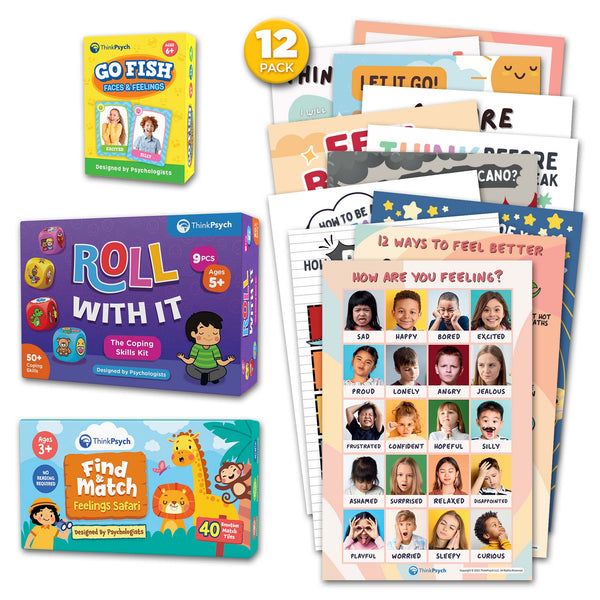
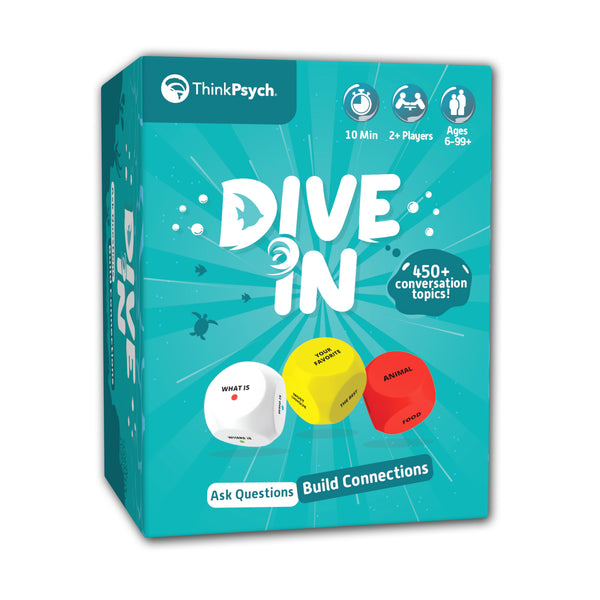
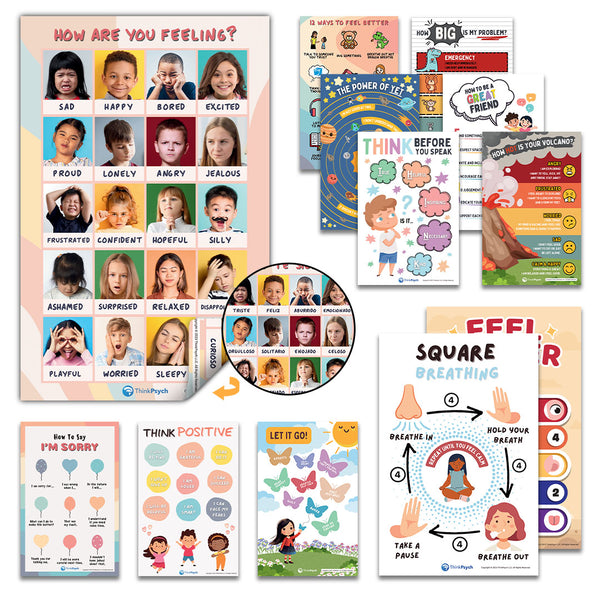
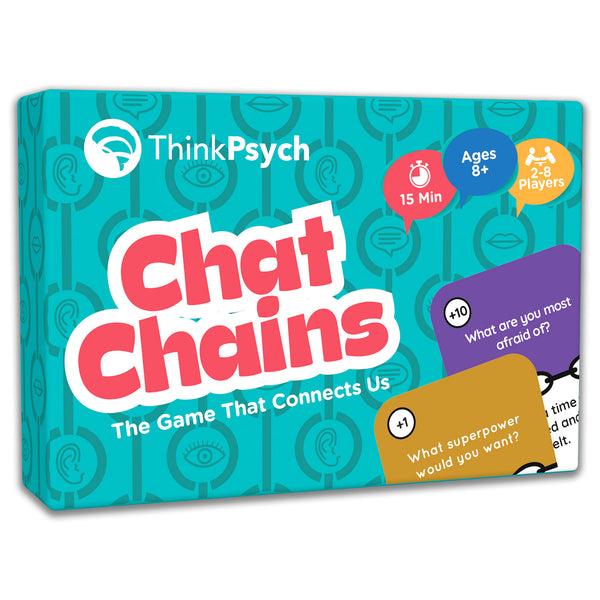
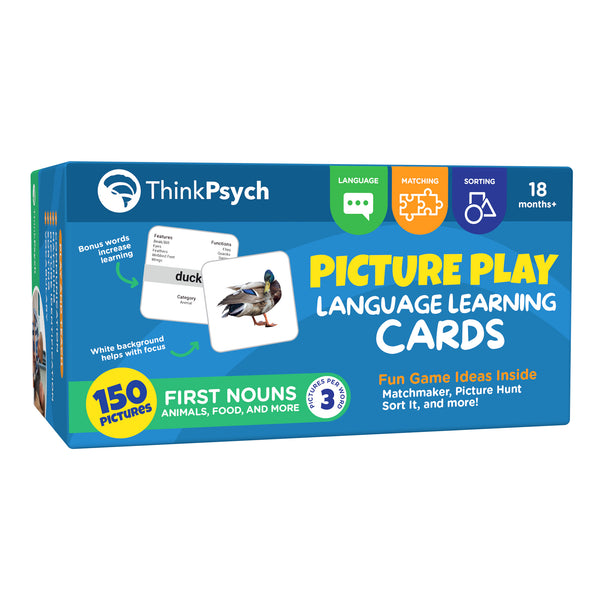
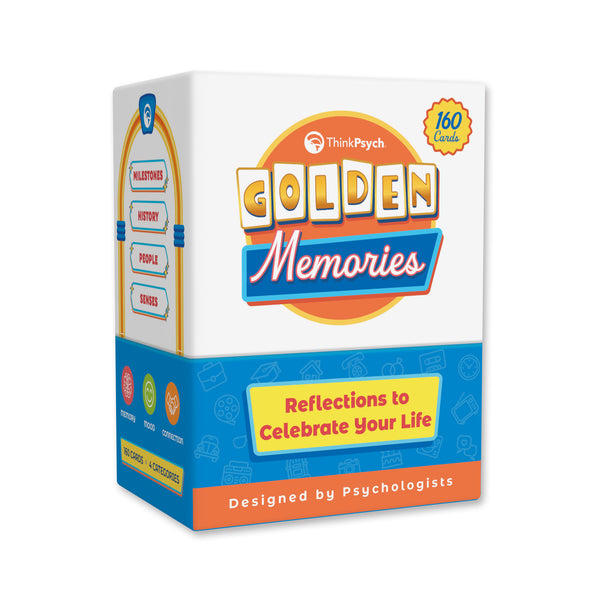
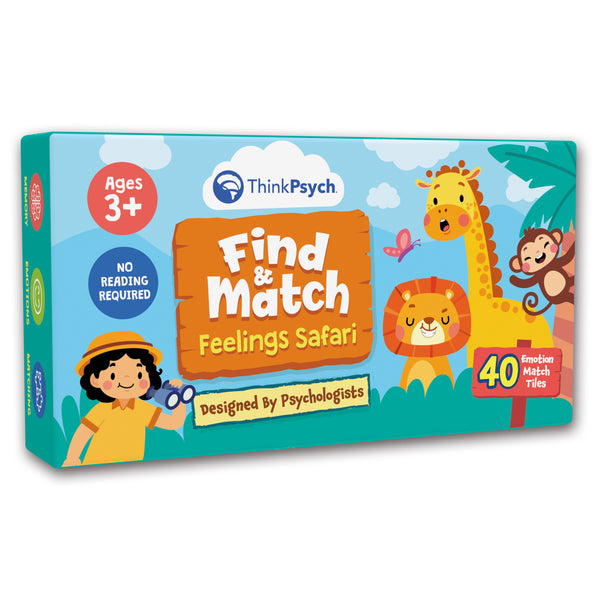
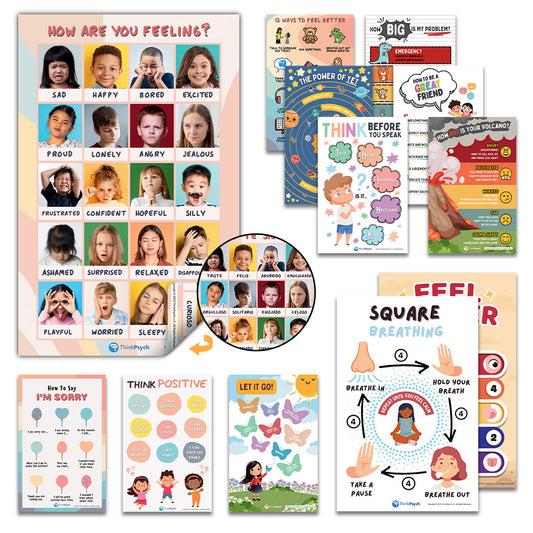
Quotes are good for framing an idea and less good for building a skill. Emotional intelligence tends to grow through repetition in low-stakes moments, which is one reason games and structured conversations work well for it. Our Emotions & Coping Skills games for kids are built to help kids name feelings and practie what to do with them. The SEL Bundles & Therapy Toolkits pull together several products designed for classrooms and therapy rooms. If you work with kids who do better with a structured approach, our roundup of CBT games for kids is another good article to read.
Frequently asked questions
Who first defined emotional intelligence?
Psychologists Peter Salovey and John D. Mayer introduced the term in a 1990 paper, defining it as the ability to monitor your own and other people’s feelings and use that information to guide thinking and action. Daniel Goleman brought it to a wide audience five years later with his 1995 book Emotional Intelligence.
What is the difference between EQ and EI?
In everyday use they mean the same thing. EI stands for emotional intelligence and EQ for emotional quotient, coined by analogy with IQ. Researchers tend to prefer EI, since EQ implies a single standardized score of the kind that does not really exist for emotional skills. Popular writing uses both.
Does emotional intelligence really matter at work?
It depends on the job more than the popular version suggests. A 2010 meta-analysis in the Journal of Applied Psychology found that the ability to regulate emotions predicted job performance in roles with heavy emotional demands, such as teaching, nursing, sales and customer service, and had almost no relationship to performance in roles without them.
A 2011 review of 43 studies in the Journal of Organizational Behavior found emotional intelligence did add real predictive power beyond IQ and personality, though a modest amount. So the figure you often see, that emotional intelligence accounts for 85 or 90 percent of success at work, is a misreading of a much narrower finding about leadership competency profiles, and Goleman has said so himself.
Can emotional intelligence actually be taught?
The evidence is strongest for children. A large 2011 review of 213 school-based social and emotional learning programs, covering more than 270,000 students, found gains in social and emotional skills, attitudes and behavior, along with an 11 percentile-point improvement in academic achievement.
For adults the picture is less settled. A 2024 review of workplace training programs found a moderate improvement in emotional skills, though the researchers noted that publication bias likely makes the real effect smaller, and whether those gains carry through into job performance has mostly not been studied yet. The practical read is that emotional skills do seem to respond to deliberate practice, and that the support is strongest for starting early, with repeated low-stakes chances to name feelings and rehearse what to do with them.




1 comment
useful, thank you.