
Sore Loser: What It Means and How to Help Your Child
Some kids struggle to learn good sportsmanship, especially if they feel pressure to perform, are hard on themselves, or are still learning how to manage big feelings. The good news is that handling a loss is a skill, and like most skills it can grow with practice, patience, and a few calm words at the right moment.
Below, we cover what being a sore loser actually looks like, why losing can feel so hard for some kids, and how to help your child cope with competition.
What is a sore loser?
A sore loser is someone who has a hard time accepting a loss and lets it show in how they treat the game or the people around them. In kids, that's usually because losing brings up big feelings they do not have the tools to handle yet. A child who is having a hard time with losing may:
- Have a meltdown or tantrum
- Make negative remarks about the game or other players
- Shut down or sulk afterwards
- Keep demanding a rematch
- Quit midway to avoid losing
- Bend or break the rules in order to win
- Blame others for the loss (such as unfair rules)
If you notice some of these, it may be a good time to help your child practice becoming a gracious loser. After all, kids are not born with emotional intelligence; it is something they build over time.
Why do some kids have such a hard time losing?
Parents often wonder where sore loser feelings come from. There is rarely one cause, but a few things often play a part:
- Feeling like a loss says something about who they are (for example, feeling like a failure or a disappointment)
- Feeling pressure to be the best, or holding themselves to perfectionist standards
- Still learning how to manage big feelings like frustration and disappointment
- Being tired, hungry, or dealing with stress that has nothing to do with the game
It also helps to remember that age plays a role. Many younger children find losing very hard, and plenty of 7 and 10 year olds still struggle with it, especially in games or sports they care about. It can be useful to think about what might be contributing to your child’s feelings, though it is not always easy to pinpoint. Either way, building your child’s confidence and teaching them ways to manage their feelings can go a long way.
What to say when your child loses a game
The moments right after a loss are usually not the time for a lesson. A few calm words that name the feeling and move on tend to land better than a speech about sportsmanship. Some phrases to try:
- “That was a close one. Losing doesn’t feel good, does it?”
- “It’s okay to feel disappointed.”
- “I saw how hard you tried on that last round.”
- “What was your favorite part of the game?”
- “Want to play again another time?”
Once everyone is calm, you can talk about what happened and what they might try next time. If a child is still very upset, helping them settle first may make that conversation much easier.
When they lose at sports
A tough loss on the soccer field or basketball court can hit harder than a board game, because more people are watching and your child may have been practicing for weeks. On the way home, it often helps to give them a little quiet time before asking about the game, and to follow their lead on whether they want to talk.
When they are ready, you might focus on what they did well and what they enjoyed, rather than the score. Something as simple as “I loved watching you play” can take a lot of pressure off. If your child keeps getting very upset after games, it may be worth checking in with their coach about how things are going on the team.
What not to do
1. Don’t let your child win or have endless do-overs
It is tempting to let your child win to keep the peace, but it can reinforce the idea that winning is the only acceptable outcome. Instead, give your child chances to practice losing, whether with you, a friend, or a sibling.
A big part of losing well is accepting the result and recognizing the winner, which is why it can help to encourage your child to empathize with the winner. Practicing phrases like “good game” and “nice job” after every game can make them feel natural over time.
2. Don’t compare your child to peers
If your child sees a loss as proof that they are not good enough, comparisons can make that feeling worse. Instead, it can help to build their self-confidence with specific, genuine praise.
Try to avoid comparisons, judgment, or modeling behaviors like trash-talking. Kids often pick up how to handle a loss from watching the adults around them.
3. Don’t send different messages for winning and losing
Focusing on your child’s effort rather than the result can take some of the sting out of losing. You might comment on their:
- Fun and enjoyment
- Hard work or progress
- Teamwork
- Good sportsmanship
Try to send the same message whether they win or lose, so your child learns that the final score is not the most important thing.
4. Don’t avoid competitive situations
When your child has a meltdown after losing, it is natural to want to steer clear of games and competition. But kids usually get better at losing by getting chances to lose, in small and manageable doses.
You might start by practicing at home, then build up to a soccer league, a chess club, or an art contest when they seem ready. Each one is a new chance to practice.
What to do
5. Keep it real
Losing is part of life, and it is okay to say so. Though it may be hard for your child to accept at first, gentle reminders like “it’s just a game” or “it’s the luck of the draw” can help them see that everybody wins some and loses some.
6. Focus on a growth mindset
Helping your child develop a growth mindset can make losing easier to handle, especially in games or activities that depend on skill.
A growth mindset means that even if you are not great at something today, you can practice and get better. Seeing the value of hard work and progress can help your child understand that a loss is not a permanent state.
7. Teach calm-down techniques
Give your child a few tools they can use when frustration hits after a loss. Some kids feel calmer after a few deep breaths, a short walk, or a favorite activity like coloring or reading.
Every child is different, so it can be worth trying a few of these techniques for managing big feelings to see what fits. If losing often tips into anger, our anger management tips for kids have more ideas. Having a plan ready ahead of time may help reduce sore loser feelings over the long run.
8. Get to the root of the problem
Sore loser feelings often have something underneath them, such as perfectionism, worry about letting someone down, or pressure to do well. Understanding what is going on for your child can help you know how to support them.
A good place to start is helping your child express their emotions, so you can understand what they are feeling when they lose. Maybe they do not want to let you down, or feel like they have to be the best. Knowing that can help you respond to what is really going on.
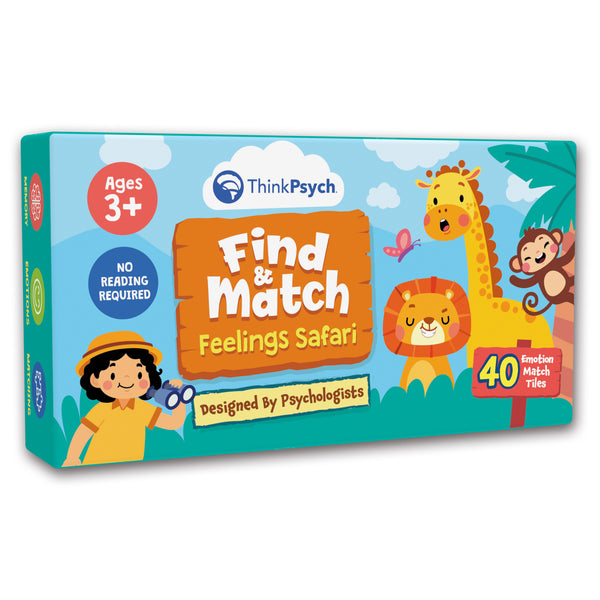
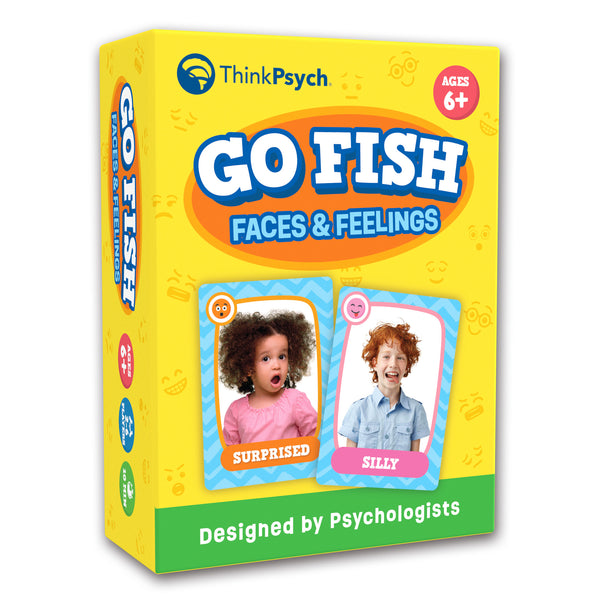
Help your kid become a good sport with ThinkPsych
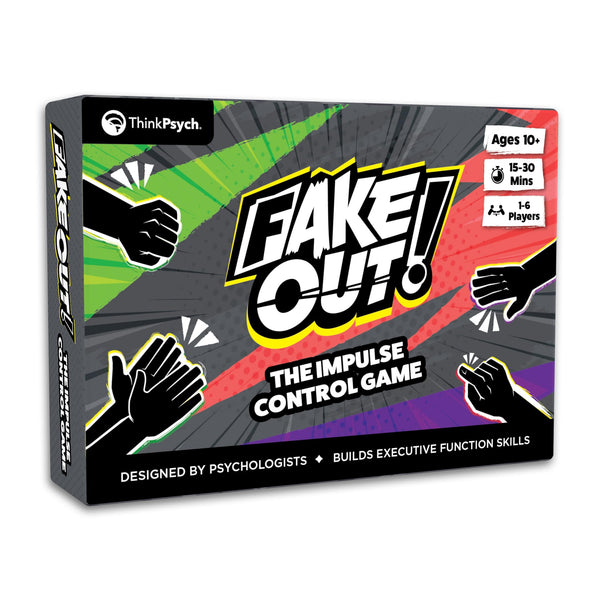
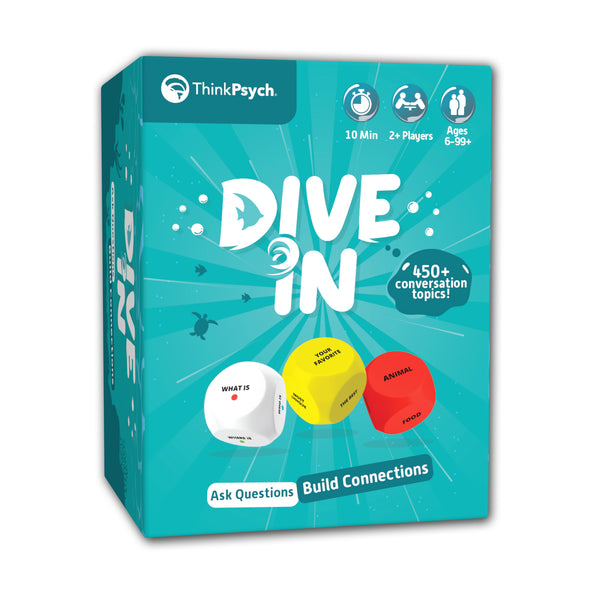
Learning to handle a loss is a normal part of growing up, and the skills underneath it, like naming the feeling and having a strategy ready, are easier to learn before the heat of a real game. Roll With It (ages 5+) is a psychologist-designed coping skills kit built around dice, with a nine-piece set that includes a feelings card, a sensory mat, a stress ball and a guide, plus more than 50 coping skills to try out and keep.
Escape from Anger Mountain (ages 6+) turns that practice into a board game, where players roll, move, and use real coping strategies to escape the mountain before frustration wins. Its 125 cards cover coping skills, affirmations, sharing prompts and movement activities that can help manage big emotions.
Best of all, both give your family a way to rehearse calming down together, long before the next tough loss. You can find more in ouremotions and coping skills collection
Frequently asked questions
What does it mean to be a sore loser?
A sore loser is someone who reacts badly to losing, for example by getting angry, sulking, blaming others, or quitting. In children, it usually means they are still learning to handle disappointment and frustration, rather than that something is wrong with their character.
Is it normal for kids to be sore losers?
Yes, it is very common. Many young children find losing hard, and school-age kids can still struggle with it, especially in games or sports they care about. Most children get better at handling a loss as they grow and get more chances to practice.
Should I let my child win to avoid a meltdown?
Letting a child win now and then is not a big deal, but letting them win every time can make losing even harder when it does happen. Losing in small, safe moments at home gives them a chance to practice with someone who is on their side.
What should I say to my child after they lose a game?
Start by naming the feeling, with something like “Losing doesn’t feel good, does it?” Then point to their effort or something they enjoyed, and save any bigger conversation for when they are calm.
How can I help my child stop being a sore loser?
Regular, low-stakes practice with losing often helps, along with calm-down strategies they can use when frustration hits and praise that focuses on effort rather than results. Modeling how you handle your own losses can make a difference too.
Sources
- Today’s Parent, 6 Ways to Help a Sore Loser
- Cleveland Clinic, Sore Loser? How to Help Your Child Handle Disappointment
- Overcomers Counseling, How to Deal With a Sore Loser Child
- ParentCircle, How to Deal With a Sore Loser Child